

Your partner in women's care
SheCares Channel provides trusted, accessible guidance on women's health. We empower women with clear information, practical support, and confidence in their wellbeing.
Education
Empowering women with knowledge
Community
Safe spaces for support
Reproductive Health
Comprehensive care guidance
Mental Wellness
Holistic health support
Latest Stories
View All
Want to Check Your Ovulation?
Use our ovulation calculator to track your fertile window and plan accordingly.
Try Free Ovulation Calculator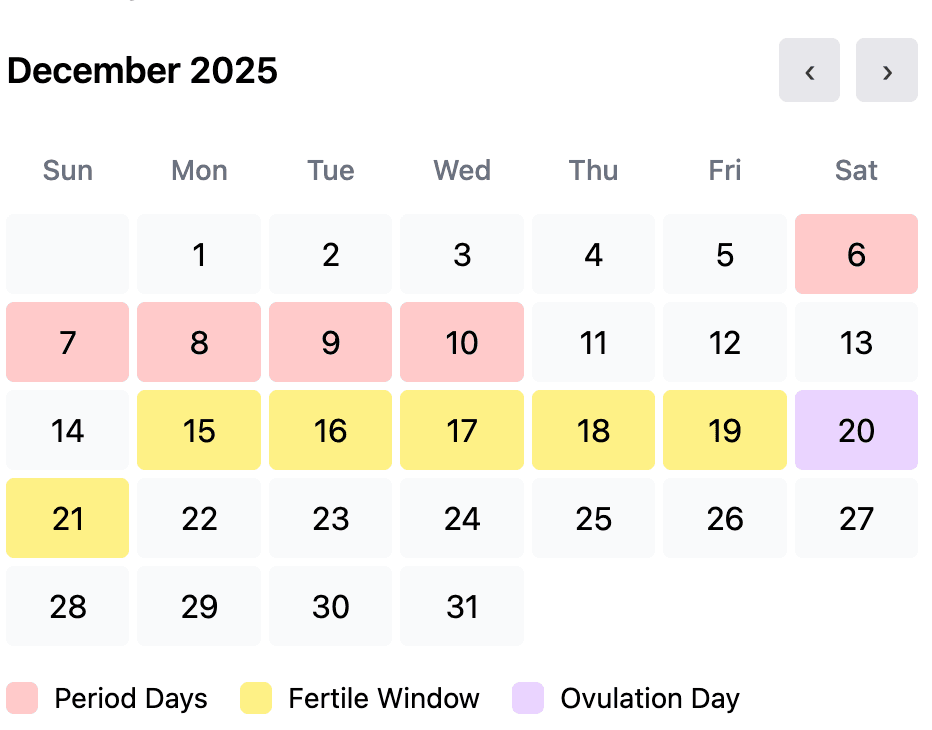
Women's Health Questions
A typical menstrual cycle ranges from 21-35 days, with bleeding lasting 2-7 days. However, what's 'normal' can vary from woman to woman. Track your cycle for a few months to understand your pattern. Consult a healthcare provider if you experience severe pain, very heavy bleeding, missed periods, or significant changes in your cycle.
Emergency contraception should be taken as soon as possible after unprotected intercourse or contraceptive failure. Most emergency contraceptive pills are most effective within 72-120 hours (3-5 days), but effectiveness decreases over time. The sooner you take it, the more effective it will be in preventing pregnancy.
Common side effects of contraceptive pills may include nausea, breast tenderness, mood changes, and spotting between periods. These often improve after the first few months. Some women also experience benefits like reduced menstrual cramps and more regular cycles. Serious side effects are rare. Always discuss your medical history with a healthcare provider before starting any contraceptive method.
Maintaining good reproductive health includes regular gynecological check-ups, practicing safe sex, maintaining a healthy diet and weight, managing stress, getting enough sleep, and avoiding smoking and excessive alcohol. It's also important to be aware of your body, track your menstrual cycle, and seek medical advice for any concerns or changes.
SheCares Channel provides trusted, evidence-based information on women's health topics. You can also consult licensed healthcare providers, visit our physical store locations, or reach out through our contact channels. Always verify health information comes from reputable medical sources and consult a healthcare professional for personalized advice.
Still have questions about women's health?
Contact Our Experts